Lichen planus
Lichen planus is an itchy rash that can affect many areas of the body, including the inside of the mouth. It’s not infectious.
Symptoms of lichen planus
The symptoms of lichen planus vary, depending on which area of the body is affected.
Lichen planus on the skin
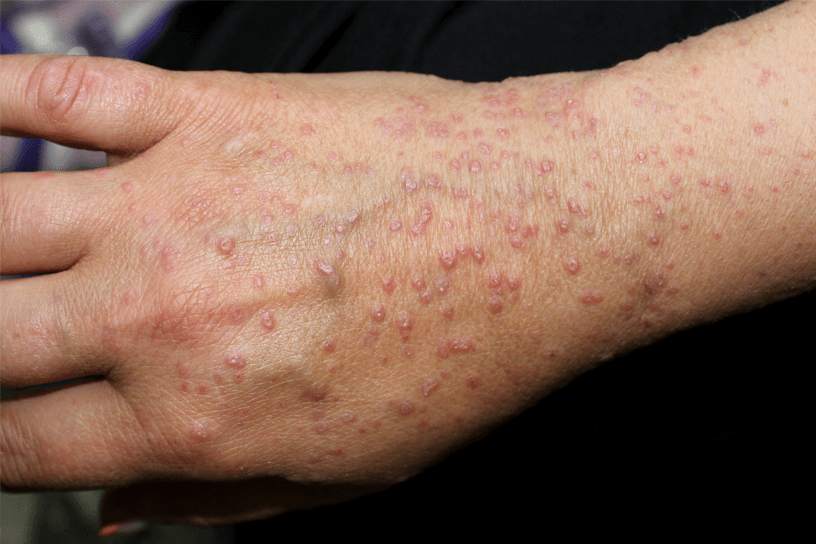
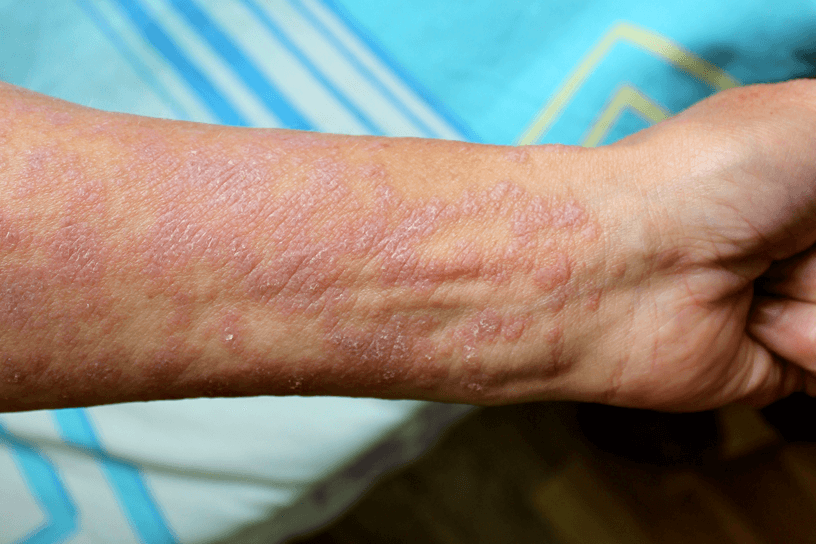
Lichen planus often affects the wrist, ankles and lower back but it can happen anywhere on the body.
It can cause purple-red coloured bumps (papules) that are slightly raised, shiny and have a flat top. The papules usually measure 3 to 5mm and may have irregular white streaks. After the papules have cleared, the skin can sometimes become discoloured.
Lichen planus can cause thick scaly patches of skin. This is known as hypertrophic lichen planus.
A lichen planus rash may also be itchy.
Lichen planus in the mouth (oral lichen planus)
The symptoms of oral lichen planus can include:
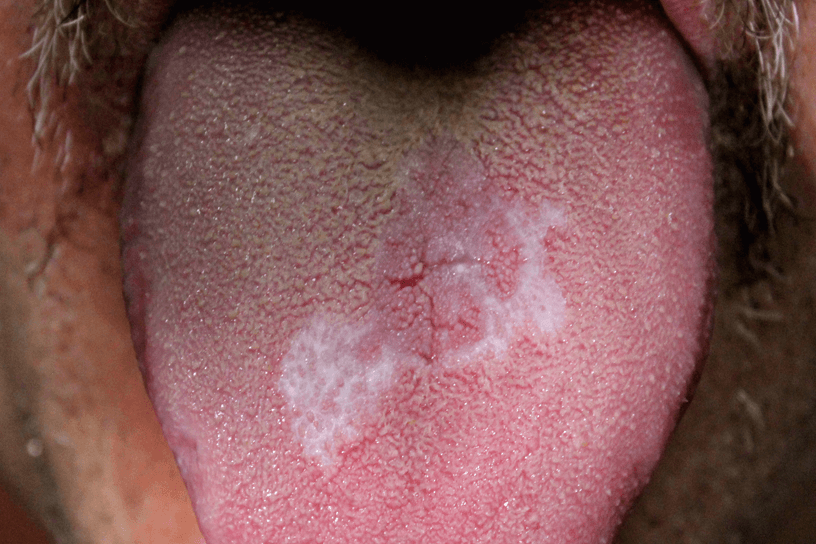
- a white pattern on the tongue and inner cheeks
- red and white patches in the mouth
- burning and discomfort in the mouth while eating or drinking
- painful red gums
Mild oral lichen planus doesn’t usually cause any pain or discomfort.
Lichen planus on the penis
The symptoms of lichen planus on the penis can include:
- purple or white ring-shaped patches on the tip of the penis
- bumps (papules) that are flat-topped and shiny
- a non-itchy rash
Lichen planus on the vulva and vagina
The symptoms of lichen planus on the vulva and vagina can include:
- soreness, burning and rawness around the vulva
- white streaks on the vulva
- redness, pinkness or a pale white colour on the vulva
- pain during sex
- moist, red patches
- a change in shape of the vagina caused by scar tissue
- sticky yellow or green discharge, which may be bloodstained
- narrowing of the vagina
Other areas
Lichen planus can sometimes affect other areas, including the nails. They can become thinner, ridged and grooved or they may become darker, thicker or raised. They may sometimes shed or stop growing.
The scalp can also be affected. You may get red patches around clusters of hair. Some people may get permanent hair loss.
Diagnosing lichen planus
Your GP can usually diagnose lichen planus by examining your rash. They’ll also ask about your symptoms.
Oral lichen planus is often diagnosed by a dentist during routine dental check-ups.
There are some conditions like eczema or psoriasis that are similar to lichen planus. Sometimes you may need a skin biopsy to find out the exact cause of your symptoms.
If you need a skin biopsy, you’ll be given a local anaesthetic to numb the affected area. This means you won’t feel any pain or discomfort during the procedure.
Treatment for lichen planus
Lichen planus usually clears up on its own within 6 to 9 months.
Creams and ointments from your GP practice can help to relieve itching and control the rash.
If creams and ointments don’t work, or you have severe lichen planus, you may need other treatments. For example, steroid tablets or treatment with a special kind of light (light therapy).
Oral lichen planus and lichen planus in the genital area may last longer. Mouthwashes and sprays from a GP can help ease symptoms like burning or sore gums.
How to ease lichen planus at home
There are things you can do to help ease lichen planus symptoms at home. This will depend on which area of your body is affected.
Lichen planus on the skin
If you have lichen planus on your skin:
- wash with warm water – avoid soap, bubble bath or body wash
- wash your hair over a basin so that the shampoo doesn’t touch the rest of your skin
- use an emollient to moisturise your skin
- try not to scratch the rash
Lichen planus in the mouth (oral lichen planus)
If you have lichen planus in your mouth:
- eat soft, bland foods like mashed potatoes and porridge if your mouth is sore
- use your usual toothpaste, if possible
- keep your mouth as clean as possible
- visit your dentist regularly to help keep your teeth and gums healthy
If it makes your mouth sore, try to avoid:
- spicy foods
- acidic food and drinks like fruit juice
- sharp foods like crusty bread
- alcohol, particularly spirits
- mouthwashes that contain alcohol
Lichen planus on the genitals
If you have lichen planus on your genitals:
- wash in warm water – avoid soap or bubble bath
- use an emollient, like petroleum jelly, before and after urinating
- avoid wearing tights or tight-fitting clothes
- try to have showers instead of baths
- dry yourself carefully after going to the toilet to reduce the chance of pee touching your skin
- use a lubricant if sex is painful
You can also apply an ice pack to the area to soothe itching and swelling. Do not apply the ice pack directly to your skin. Wrap it in a clean tea towel before placing it on your body.
What causes lichen planus?
The exact cause of lichen planus is unknown. It may be related to the immune system, or an abnormal response of the immune system to certain medicines.
Lichen planus isn’t infectious and can’t be passed on to other people, including sexual partners. It doesn’t usually run in families.
Who’s most at risk of lichen planus?
Lichen planus is more common in adults over the age of 40. It affects men and women equally. However, oral lichen planus is more common in women.
Complications of lichen planus
After the lichen planus rash has cleared up, the skin may be a different colour to what it was originally. There may be a brown or grey mark, which can sometimes last for months. This is known as post-inflammatory hyperpigmentation. It can be more noticeable in people with darker skin.
Erosive lichen planus
Erosive lichen planus is a rare form of lichen planus that can last a long time. It causes painful ulcers to develop in the mouth and in the genital area.
In some cases, long-term erosive lichen planus can increase the chance of some types of cancer developing.

Last updated:
09 February 2026